
Who File ISF For Evaporators
?Are you responsible for ensuring Importer Security Filings for evaporators arrive in the U.S. without delays or compliance issues?
Who File ISF For Evaporators
This article explains who must file the ISF (Importer Security Filing) when you import evaporators, how the process works, and what you should watch for to minimize risk. You will get a clear, actionable outline tailored to the unique nature of evaporators as commodity shipments.
What ISF Is and Why It Matters to You
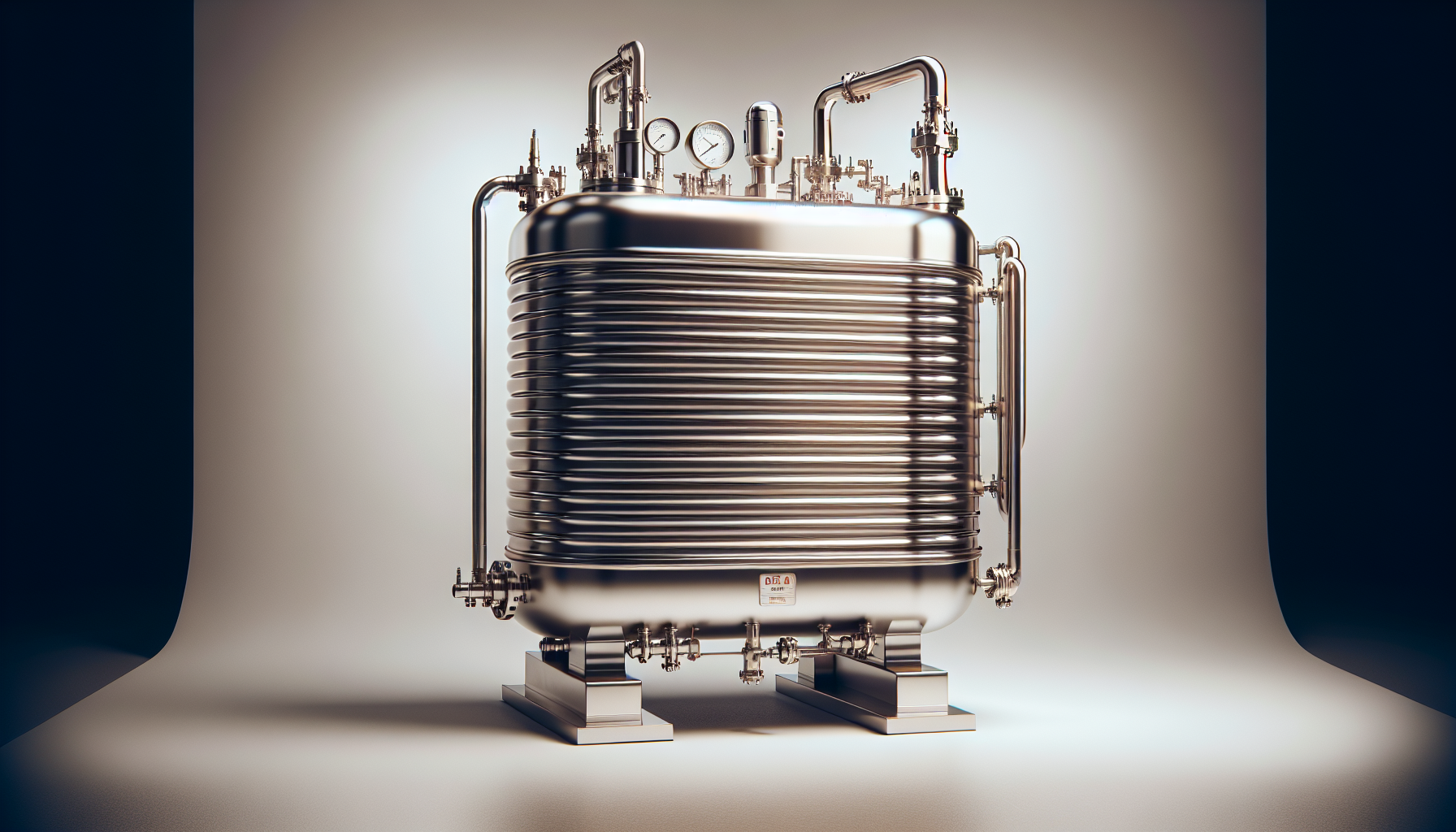
You must understand that the ISF is a U.S. Customs and Border Protection (CBP) requirement for ocean shipments entering the U.S. It provides the U.S. government with advance cargo data before the vessel departs a foreign port. For evaporators, which may be high-value, model-specific, and sometimes contain refrigerants or parts subject to special controls, the ISF helps ensure proper risk assessment and timely release.
Who Is Responsible for Filing the ISF
You, the importer of record, are ultimately responsible for ensuring the ISF is filed correctly and on time. Responsibilities may be delegated to a customs broker or a freight forwarder, but delegation does not absolve you of liability.
- Importer of Record: Legally accountable for accuracy and timeliness.
- Customs Broker / Licensed Agent: Frequently hired to prepare and submit ISF data on your behalf.
- Ocean Carrier: Required to refuse loading if ISF is not filed and accepted prior to loading; carriers often penalize shippers for missing ISFs.
Required Data Elements for Evaporator ISFs
CBP requires 10 data elements for each ISF. You must supply these elements accurately to prevent penalties and hold-ups.
- Importer of Record (or EIN)
- Consignee name and address
- Seller name and address
- Buyer name and address
- Manufacturer name and address (or supplier)
- Ship-to name and address
- Container stuffing location (if different)
- Consolidator/house bill party (if applicable)
- Country of origin of the goods
- Harmonized Tariff Schedule (HTS) number and commodity description
For evaporators, include specifics such as model number, serial numbers (if applicable), refrigerant type (if integrated), and whether the product contains hazardous materials.
Timing and Filing Window
You must file ISF no later than 24 hours before the vessel departs the foreign port bound for the U.S. If your ISF is updated, amendments must be submitted promptly. Late filing can trigger fines and subject your shipment to increased scrutiny.
Common Pitfalls Specific to Evaporators
You should be vigilant about several recurring issues:
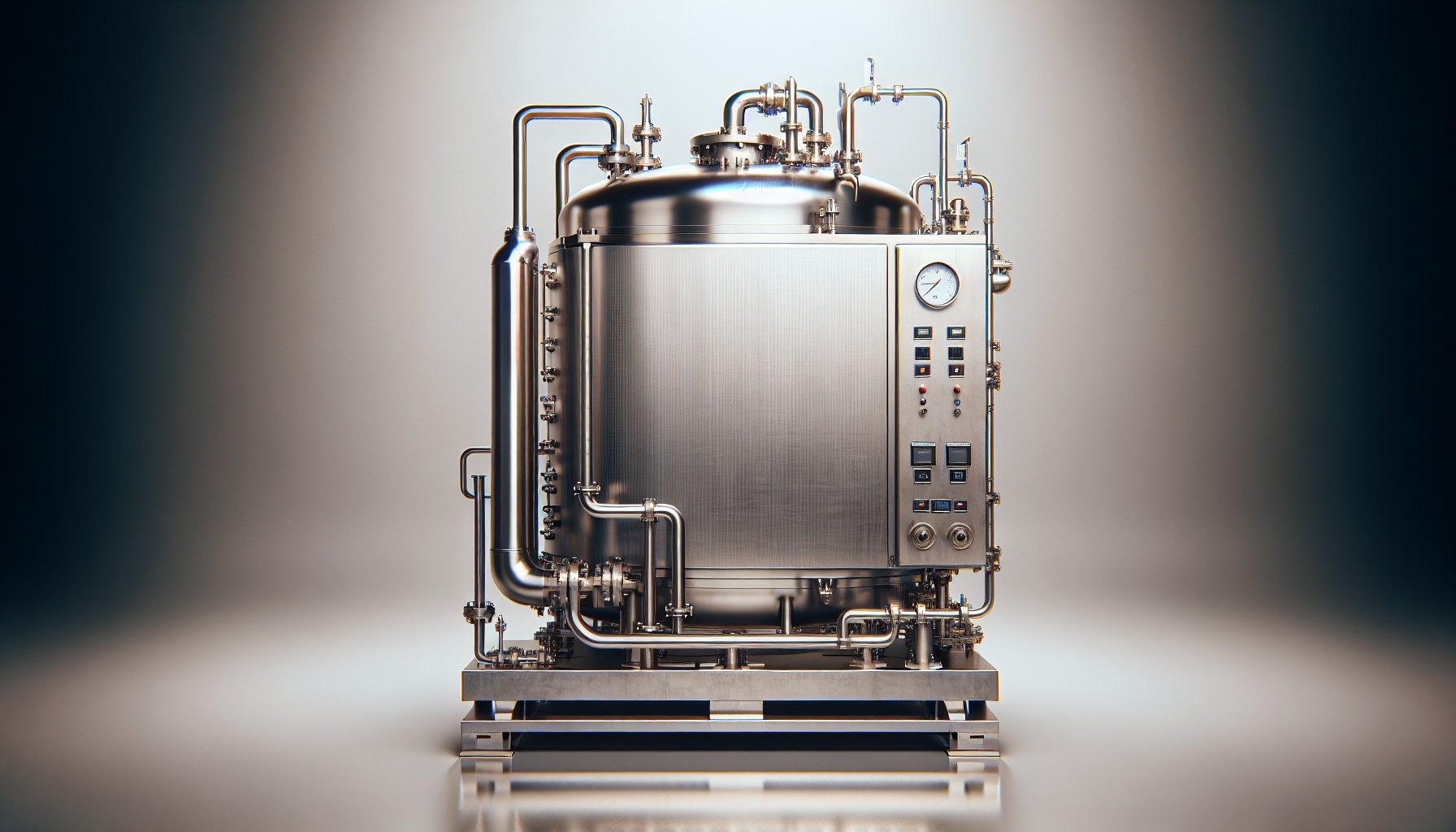
- Incorrect or missing manufacturer information: Evaporators are often manufactured in a plant different from the seller or supplier; CBP expects accurate manufacturer data.
- Misclassified HTS codes: Ensure you use the correct HTS number for evaporators, not for related HVAC or refrigeration units.
- Incomplete product descriptions: Generic descriptions invite secondary inspection. Provide model, function, and refrigerant class where relevant.
- Undefined container stuffing location: For consolidated shipments, clearly identify where the evaporators were stuffed to avoid delays.
Edge Cases and Compliance Tips
You must plan for scenarios that commonly affect evaporator shipments:
- Repaired or refurbished evaporators: You must correctly indicate country of origin and whether goods are “repaired” or “remanufactured,” and provide documentation supporting declared values.
- Multiple manufacturers or components: If evaporator components are made in multiple countries, identify the primary manufacturer and the country of origin for the finished good.
- Hazardous components: If the evaporator contains refrigerants that are regulated, include proper hazardous material declarations and coordinate with your carrier.
Practical tips:
- Maintain an audit trail of ISF submissions and communications with your broker.
- Pre-validate manufacturer addresses and EINs before shipment.
- Use a bonded and experienced customs broker to reduce errors.
Penalties and Consequences
If ISF is not filed or contains material inaccuracies, CBP may issue penalties (commonly $5,000 per violation), and carriers may refuse to load cargo. You could also face delays, detention of goods, and forced re-export in extreme cases.
Working With Your Service Providers
You should vet brokers and forwarders for ISF expertise with mechanical and HVAC equipment. Ask potential providers:
- Do you have experience with evaporators and refrigeration equipment?
- Can you support serial-level documentation and hazardous materials filings?
- Do you offer traceable ISF submission records and amendment handling?
Expertise Depth
This section highlights the specific knowledge you need when filing ISF for evaporators. You should know how HTS classification interacts with environmental regulations, how manufacturer addresses affect country-of-origin determination, and how ISF data integrates with your entry summary (CBP Form 3461 or 7501) and other import compliance programs.
- Classification nuances: Evaporators may fall under different HTS chapters depending on use (refrigeration vs. heat exchange).
- Environmental compliance: Refrigerant rules (EPA, refrigerant phase-outs) can affect admissibility.
- Entry reconciliation: Ensure ISF elements match your entry documents to prevent mismatches.
Final Checklist Before Shipment
Before the vessel sails, confirm:
- ISF submitted and accepted by CBP
- Correct and complete manufacturer data
- Accurate HTS and detailed commodity description
- Hazardous component documentation, if any
- Broker contact and amendment capability
You can avoid typical disruptions by implementing a repeatable internal checklist and confirming broker submissions.
Closing Guidance
If you handle evaporator imports regularly, standardize your documentation package and train procurement, logistics, and compliance teams on ISF requirements. You should recognize that ISF is only one piece of import compliance — integrating it with entry filing, duty payment, and regulatory compliance reduces overall supply chain risk. If you need a trusted partner, ensure they can also advise on bonding options such as a US Import Bond to cover duties and potential CBP charges.